Hey home chiefs! 🧹 Let’s tackle a question that’s haunted every clean freak’s dreams: “How strong should my robot vacuum’s suction REALLY be?”
You’ve seen specs like “8000Pa” or “Silent Mode” in ads, but what do these mean for YOUR floors? Spoiler: It’s not about “bigger numbers = better clean.” Let’s decode suction power like a pro—and match it to your home’s personality.
Suction Power Demystified: It’s Not Just About "Pa"
Suction power (measured in Pascals, or Pa) is your vacuum’s “grip strength” on dirt. But here’s the twist: higher suction can mean louder noise and shorter runs. It’s all about balance!
Under 3000Pa: Gentle whisper-clean for daily dusting (great for studios or hard floors).
3000–5000Pa: The “Goldilocks zone” for crumbs, light pet hair, low-pile & flatweave carpet and mixed floors.
5000–8000Pa: Heavy-duty muscle for high-pile & shaggy carpet, stubborn dirt, or allergy-prone homes.
8000Pa+: Storm-level power for post-party messes or deep-cleaning rugs.
Pro Tip: Look for Smart Suction Control! A vacuum that auto-adjusts power saves battery and keeps noise low.
Your Home’s Personality = Your Perfect Match
1. “Tiny & Tidy” Spaces (Studios/ Hard Floors)
Ideal Suction: Under 3000Pa
Think minimalist apartments with mostly hard floors. Prioritize slim designs that glide under furniture and whisper-quiet operation.
Why It Works:
→ Silent cleaning during Zoom calls (no “vacuum shame”!)
→ Efficient battery life for small areas
2. “Furricane Central” (Pet Owners/Carpets)
Ideal Suction: 3000–4000Pa
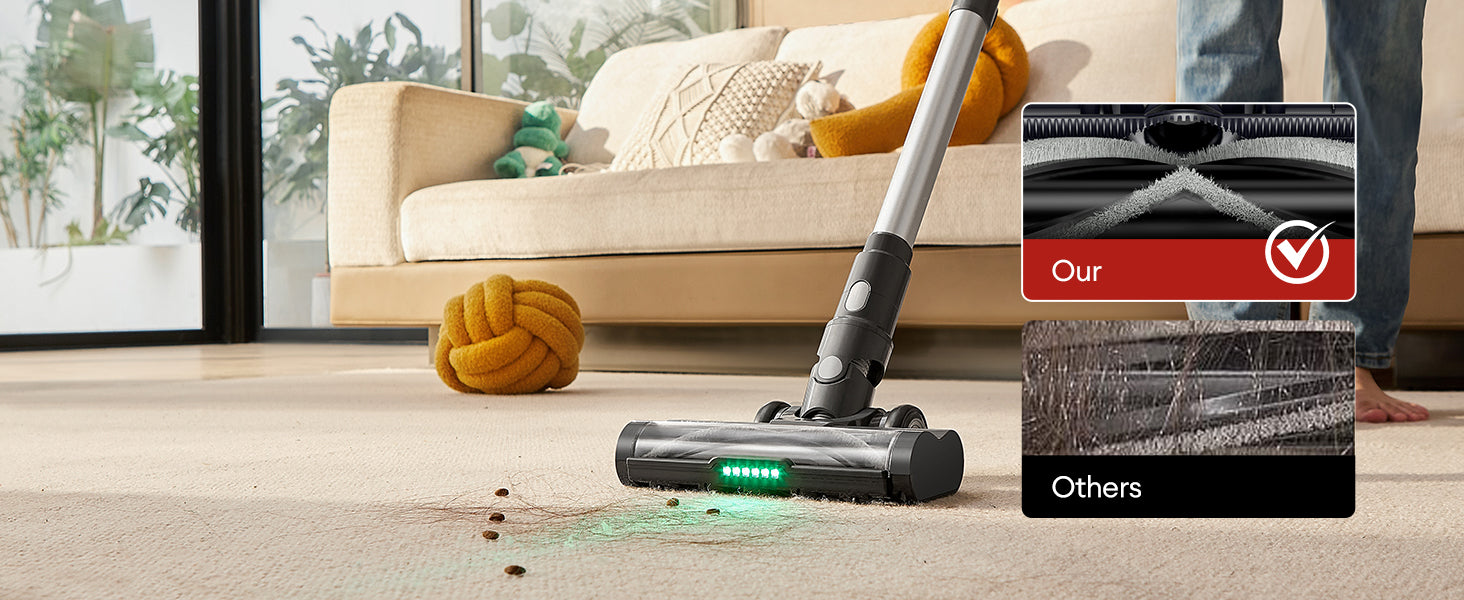
Pet hair warriors need specialized tools: self-cleaning brushes that repel fur tangles, HEPA filters for dander, and carpet-boost modes. (You also need to master pet home cleaning skills)
Game-Changer Features:
→ Anti-tangle roller systems
→ Auto suction adjustment on rugs
3. “Mix Master” (Hardwood + Rugs + Kids)
Ideal Suction: 4000–8000Pa + Adaptability
Homes with floor diversity need chameleons: models that switch seamlessly between vacuuming and mopping, with precise navigation to detects and avoid objects.
Parent-Approved Hacks:
→ Vacuum & Mop in one
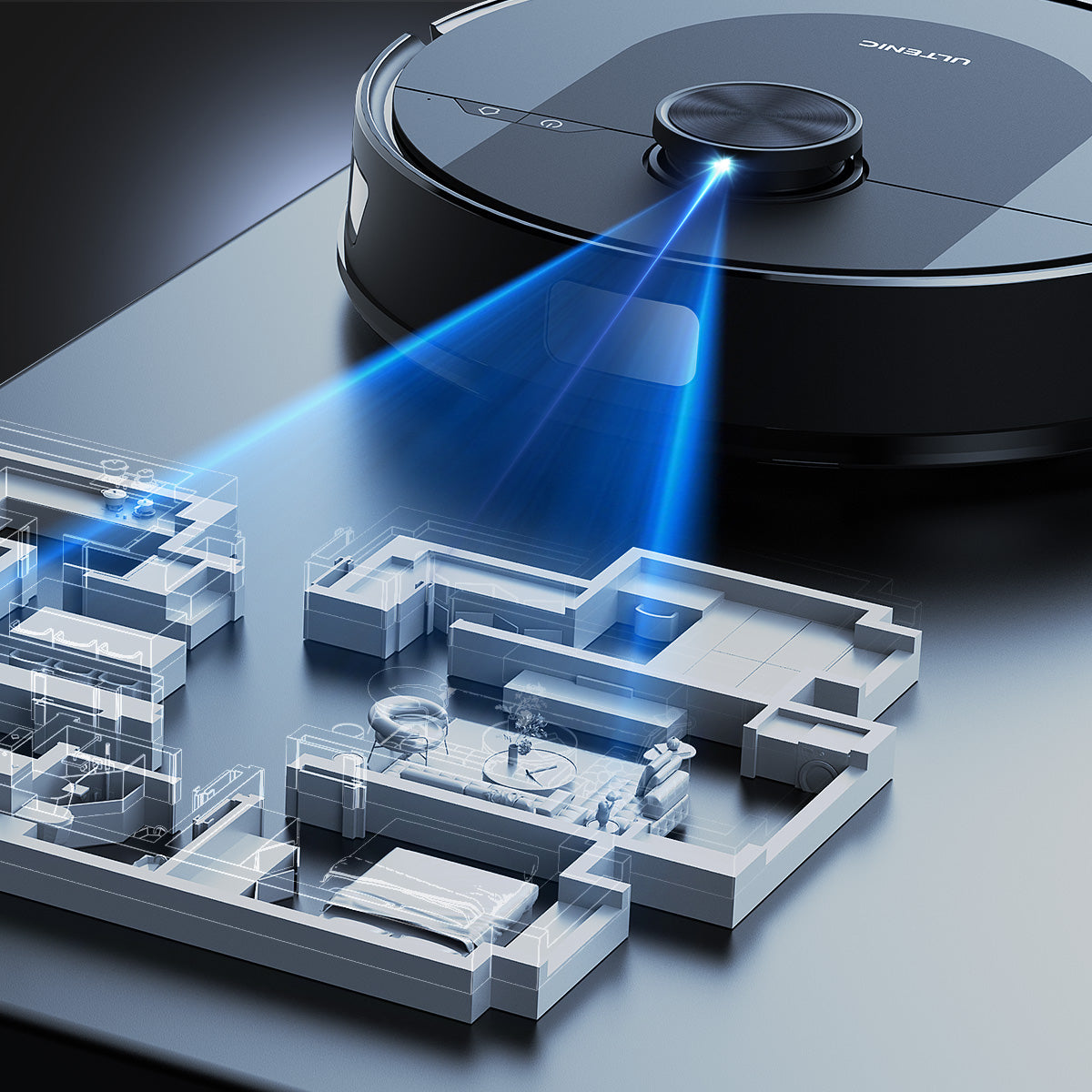
→ LiDar Navigation
4. “Sprawling & Sensitive” (Large Homes/Allergies)
Ideal Suction: 8000Pa+
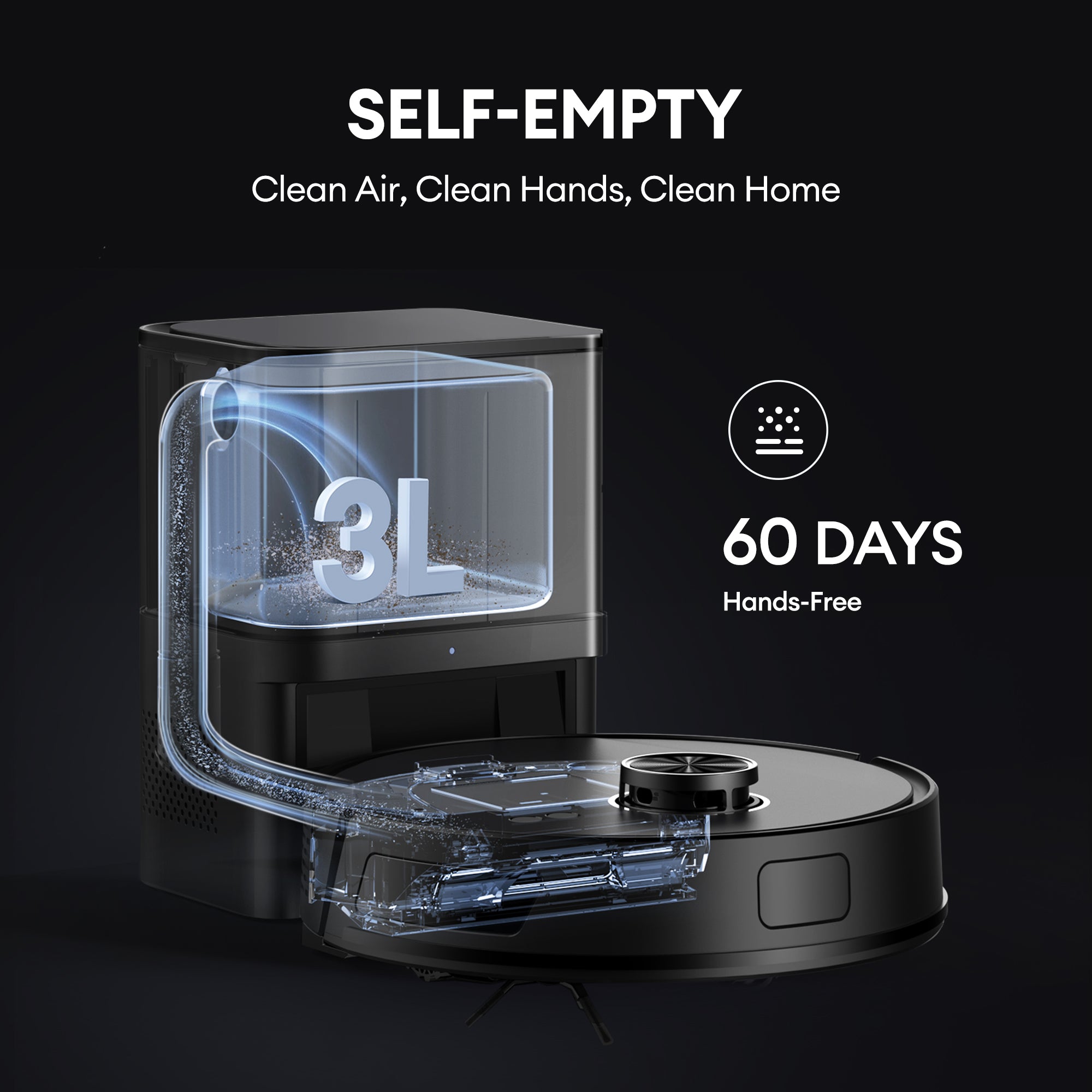
Allergy-prone homes require marathon runners with hospital-grade filtration and self-emptying docks to minimize exposure to dust.
Must-Haves:
→ Medical-grade HEPA filters
→ 3D mapping for efficient routes
3 Mistakes Even Smart Homes Make
-
“Max Pa = Max Clean” Myth: Blasting max power on hardwood scatters dust. Fix: Use room-specific suction settings.
-
Ignoring the Dustbin: High suction fills bins faster. Fix: Auto-empty bases.
-
Forgetting the Mopping Bonus: Why vacuum twice when hot mopping kills germs?
Ready to Ditch the Broom?
Your home isn’t a lab—it’s a living space with unique quirks. Whether you’re battling golden retriever glitter or toddler tornadoes, the right suction partner makes all the difference.
Ultenic Spotlight: Compare Your Options
| Model | D10 | T10 Lite | T10 Pro |
| Suction Power | 5000Pa | 5000Pa | 4000Pa |
| Noise Level | 50 dB | 50 dB | 62 dB |
| Capacity | 600 Millilitres | 3 litres | 3.3 litres |
| Anti-tangle TurboBrush | Yes | Yes | Yes |
| Mopping | Yes | Yes | Yes |
| Self-Empty Station | Yes | Yes | Yes |
| UV Sterilisation | No | No | Yes |
2025’s Top 3 Smart Cleaners Compared
DR Cheat Sheet:
Small spaces ➔Under 3000Pa + quiet operation
Pet chaos ➔ 3000–4000Pa+ self-cleaning brushes
Multitaskers ➔ 4000–8000Pa Adaptive suction + mopping combo
Big/allergy homes ➔ 8000Pa+ + HEPA filters
Now go conquer those dust bunnies—your future self will thank you! 😉